


Development Organizations Join Forces for GSES's Social AID & Sustainability Benchmark Pilot with Building Bridges and Data for Good!
News
Development Organizations Join Forces for GSES's Social AID & Sustainability Benchmark Pilot with Building Bridges and Data for Good!
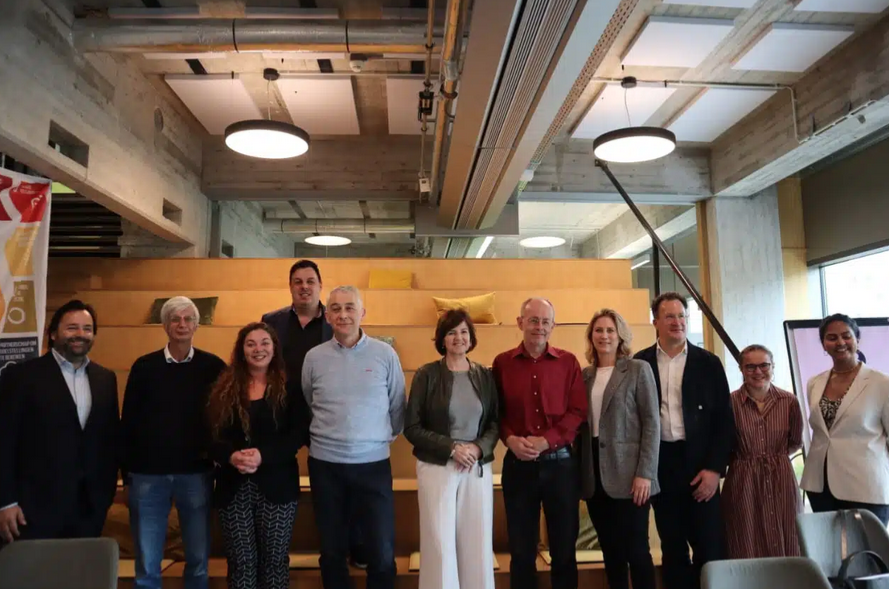
Rotterdam, April 11, 2024
Social Organizations Sign On to the Social AID & Sustainability Benchmark Pilot by GSES, Building Bridges, and Data for Good
Today marks a milestone for the International Cooperation sector, as key players unite to take a crucial step towards a more sustainable future. In Rotterdam, prominent organizations such as the Dutch Red Cross, Save the Children, War Child, Oxfam Novib, Cordaid, and Fair Climate Fund have joined forces, signing a Memorandum of Understanding (MoU) with GSES and Data for Good for the launch of the Social AID & Sustainability benchmark pilot.
This initiative arises from the urgent need to systematically report on sustainability goals within the International Cooperation sector and to enable comparisons of results. Additionally, social organizations like Oxfam Novib have long been urging businesses and governments to adhere to sustainability standards, making it a logical step for the sector to do the same. The pilot focuses on developing a sector-specific sustainability benchmark at both the organizational and project levels, specifically examining the impact of organizations on both climate and people, both in the Netherlands and beyond.
The initiators GSES, Building Bridges, and Data for Good, along with supporting partners such as Partos, the SDG 1 Alliance, SDG 7 Alliance, the Ministry of Foreign Affairs, and the Number 5 Foundation, are combining their efforts to strengthen sustainability initiatives within the sector.
Participating social organizations will closely collaborate with GSES – Global Sustainable Enterprise System, an organization that has developed an internationally recognized platform to support organizations and NGOs in managing, monitoring, and verifying sustainability performance. By implementing a sector-specific benchmark, the participating organizations aim to make their sustainability goals and results transparent and comparable. While various social organizations have already set an example, the hope is to inspire many others to follow suit, thereby enhancing the positive impact on communities worldwide.
“With this pilot, social organizations are demonstrating leadership by collectively embarking on a new sustainable path. Sustainable practices go beyond reducing flights and separating waste; it presents a unique opportunity to strengthen the SDG movement in the Netherlands so that we can collectively achieve the Sustainable Development Goals by 2030,” said Boris van Westering, Building Bridges Advisory.
“The Social AID & Sustainability benchmark pilot project is an attempt to learn how to take meaningful action for people while balancing the needs of the environment and understanding the interconnectedness of the two. This pilot is a step forward for cross-sector collaboration and interdisciplinary action,” stated Shivalika Madgulkar, Project Manager.
“Sustainability means making choices. The question for us as a humanitarian organization is, ‘how much more expensive can a sustainable option be?’ These are often difficult questions. Therefore, it’s even more important to understand the impact of your organization on both climate and society. This project is a great opportunity to make that insight clear and to benchmark within the sector,” said Diederik Rodenburg, Facility Manager at the Red Cross.
“As a country, we are committed to reducing poverty worldwide and here in the Netherlands through the SDGs. I expect we can make a significant movement by making the impact of this nationally and internationally operating humanitarian organization clear, and exploring how emergency assistance can lead to sustainable change in vulnerable areas and help reduce global poverty,” said Marjolein van Gerven, SDG 1 Coordinator.
For more information:
Shivalika Madgulkar, Project Manager GSES
Email: [email protected]
+3168961244
DUTCH
Rotterdam, 11 April 2024
Maatschappelijke organisaties tekenen de Social AID & Sustainability benchmark pilot van GSES, Building Bridges en Data for Good
Vandaag markeert een mijlpaal voor de Internationale Samenwerkingssector, want belangrijke spelers hebben zich verenigd om een cruciale stap te zetten richting een duurzamere toekomst. In Rotterdam hebben vooraanstaande organisaties zoals het Nederlandse Rode Kruis, Save the Children, War Child, Oxfam Novib, Cordaid en Fair Climate Fund, de handen ineengeslagen en een Memorandum van Overeenstemming (MoU) ondertekend met GSES en Data for Good voor de lancering van het Social AID & Sustainability benchmark pilot.
Dit initiatief komt voort uit de dringende behoefte om systematischer te rapporteren over duurzaamheidsdoelen binnen de Internationale Samenwerkingssector en resultaten te kunnen vergelijken. Daarnaast roepen maatschappelijke organisaties zoals Oxfam Novib bedrijven en overheden al jaren op zich te houden aan duurzaamheid standaarden, het is daarom een logische stap om zelf als sector datzelfde te doen. De pilot is gericht op het ontwikkelen van een sectorspecifieke duurzaamheidsbenchmark op organisatie en projectniveau. Specifiek wordt gekeken naar de impact van de organisatie op zowel het klimaat als op de mens en maatschappij in Nederland en daarbuiten.
De initiatiefnemers GSES, Building Bridges en Data for Good, samen met ondersteunende partners zoals Partos, de SDG 1 Alliantie, SDG 7 Alliantie, Ministerie van Buitenlandse Zaken en de Number 5 Foundation, bundelen hun krachten om de duurzaamheidsinspanningen binnen de sector te versterken.
De deelnemende maatschappelijke organisaties zullen nauw samenwerken met GSES – Global Sustainable Enterprise System, een organisatie die een internationaal erkend platform heeft ontwikkeld om organisaties en NGO’s te ondersteunen bij het beheren, monitoren en verifiëren van duurzaamheidsprestaties. Door een sectorspecifieke benchmark te implementeren, streven de deelnemende organisaties ernaar om hun duurzaamheidsdoelen en -resultaten transparant te maken en onderling te kunnen vergelijken. Terwijl verschillende maatschappelijke organisaties ons al zijn voorgegaan, hopen we dat wij hiermee een voorbeeld te zijn wat velen anderen aanzet om te volgen, zodat de positieve impact op gemeenschappen over de hele wereld vergroot zal worden.
“Met deze pilot tonen maatschappelijke organisaties leiderschap door samen een nieuwe duurzame weg in te slaan. Duurzaam werken is meer dan minder vliegen en afval scheiden alleen. Het biedt een unieke kans om de SDG-beweging in Nederland te versterken zodat wij samen de Duurzame Ontwikkelingsdoelen in 2030 gaan behalen.” Boris van Westering, Building Bridges Advies.
“Social AID & Sustainability benchmark pilot project is een poging om te leren hoe je zinvolle acties kunt ondernemen voor mensen en tegelijkertijd de behoeften van het milieu in evenwicht kunt houden en kunt begrijpen dat deze twee nauw met elkaar verbonden zijn. Deze pilot is een stap voorwaarts voor intersectorale samenwerking en interdisciplinaire actie.” Shivalika Madgulkar, Project Manager.
“Verduurzamen betekent dat je keuzes moet maken. De vraag voor ons als hulporganisatie is “hoeveel duurder mag een duurzame optie zijn?” Dat zijn vaak lastige vraagstukken. Daarom des te belangrijker om inzicht te hebben wat de impact van je organisatie is op gebied van klimaat en op mens en maatschappij. Dit project is een mooie kans om dat inzichtelijk te maken en binnen de sector met elkaar te kunnen benchmarken.” Diederik Rodenburg, Manager Facilitaire Zaken van het Rode Kruis.
“Als land hebben wij ons middels de SDGs gecommitteerd aan het terugdringen van armoede wereldwijd en in Nederland zelf. Ik verwacht dat we een belangrijke beweging kunnen maken door de impact van deze nationaal- en internationaal opererende hulporganisatie inzichtelijk te maken en te verkennen op welke manier de inzet van noodhulp kan leiden tot een duurzame verandering in kwetsbare gebieden en het terugdringen van armoede wereldwijd.” Marjolein van Gerven, SDG 1 Coordinator.
Voor meer informatie:
Shivalika Madgulkar, Project Manager GSES
Email: [email protected]
+3168961244


Collaborates with GSES for transparency in the sustainability of Kruidvat and Trekpleister products!
News
Collaborates with GSES for transparency in the sustainability of Kruidvat and Trekpleister products!

Products at Kruidvat and Trekpleister retail formulas will soon feature independent validated sustainability information. AS Watson Benelux, the parent company of Kruidvat and Trekpleister, has entered into a collaboration with GSES for this purpose. Each product will be measured by GSES against the same standard and data points, including energy and water usage and recyclability. The data provided by AS Watson Benelux and its suppliers for this purpose will be independently audited by recognized certifying bodies via Audit Independer.
Consumers shopping at Kruidvat and Trekpleister will soon be able to easily access information about the sustainability of a product, both online and in-store. This information can be a useful guideline for consumers looking to make more sustainable choices.
“We are very proud of this collaboration with AS Watson Benelux,” says Kelly Ruigrok, CEO and founder of GSES. She continues, “We see that we are providing a solution for the retail and wholesale sectors by enabling verified product data on the one hand and contributing to regulatory reporting for our clients on the other. Kruidvat wants to provide customers with more clarity on how they can make the world a little better with their purchasing power! This positions AS Watson Benelux as a leader in transparency and a driver of a more sustainable world.”
“We want to assist our customers in making more sustainable choices. From research, we know that a large portion of our customers would like to consider sustainability when making their purchasing decisions but find it challenging to assess the actual sustainability of a product. They struggle to find and (re)recognize more sustainable products. Additionally, not everyone is familiar with the various certifications that highlight the sustainability of products. The nature impact rating from GSES will help our customers make more sustainable choices. This meta-standard provides a clear view of the degree of sustainability and does so in a recognizable, universal manner. This is an incredibly important step for us, and we look forward to sharing this with our customers.” – Leendert van Bergeijk, Sustainability Manager, AS Watson Benelux.
About AS Watson Benelux
AS Watson is part of the AS Watson Group, the world’s largest international health and beauty retailer with over 16,000 stores, 12 retail brands in 28 markets, and more than 130,000 employees worldwide. AS Watson is a market leader in health & beauty. You may know the retail formulas in the Benelux: Kruidvat, Trekpleister, Prijsmepper, ICI PARIS XL, and Pour Vous.
Johan Cruyff ArenA changes the game on sustainability
News
Johan Cruyff ArenA changes the game on sustainability
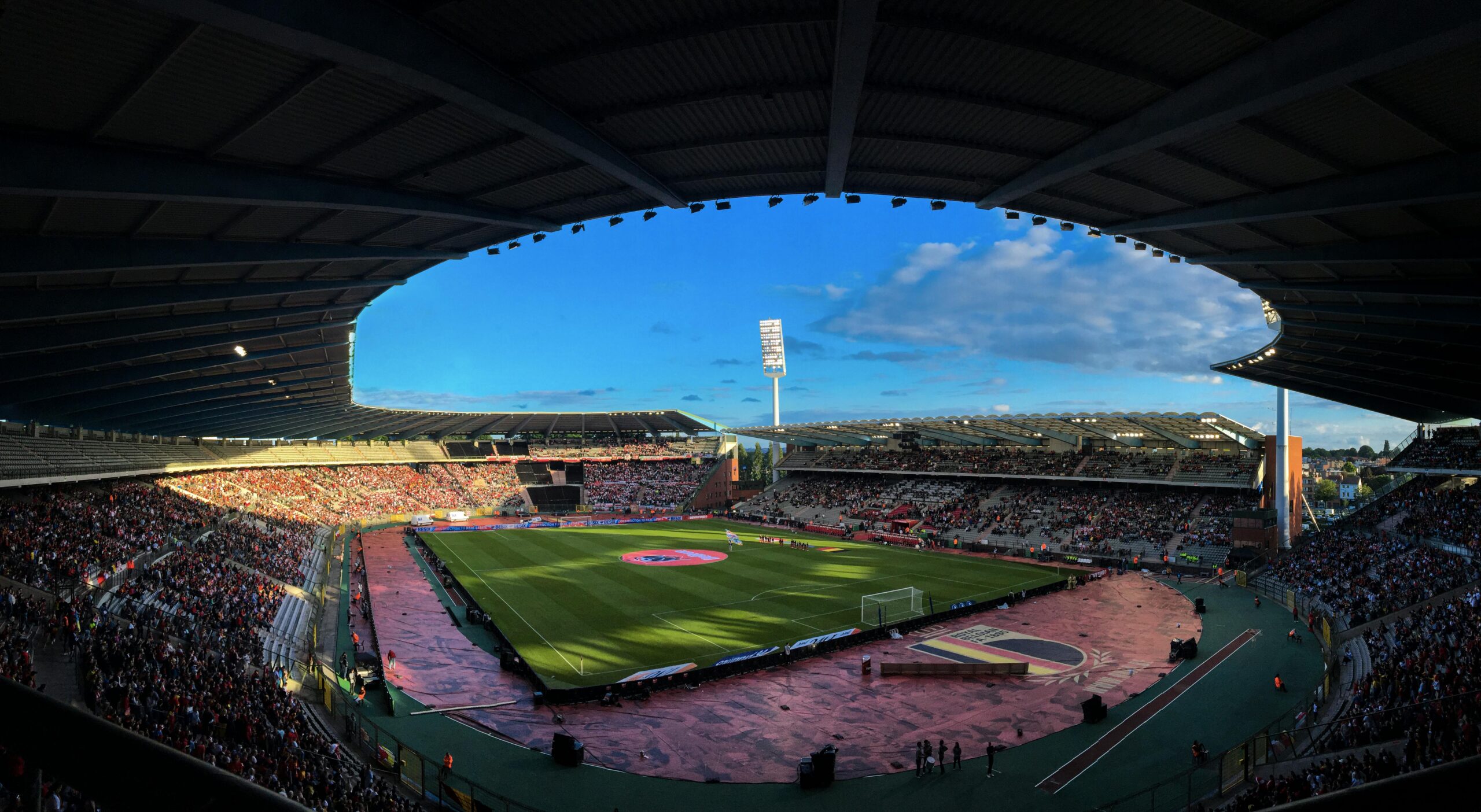
Kelly Ruigrok, CEO | GSES & Willem Hegen, Crowd Services Manager & Project Lead Sustainability | Johan Cruyff ArenA
The Coldplay concert at Amsterdam’s Johan Cruyff ArenA last summer was ground-breaking in terms of sustainability. In order to fully monitor, measure and analyse the event’s environmental impact, the stadium teamed up with GSES, the Dutch-based sustainability rating system.
Together, they launched a game-changing approach which is making waves across the venues and events industry. The sustainability transparency provided by this initiative also makes the leisure and events industry more interesting for financial institutions seeking evidence-based sustainability data from their business customers. Kelly Ruigrok (CEO at GSES) and Willem Hegen (Crowd Services Manager & Project Lead Sustainability at Johan Cruyff ArenA) explained their partnership ahead of the Sustainable Finance and Climate Risk Event.
What was so special about the Coldplay concert?
Willem Hegen: During their “Music of the Spheres” world tour this year, Coldplay pledged to make the series of shows as low-carbon as possible. This included giving concert venues including the Johan Cruyff ArenA, a “sustainability rider” which set out the band’s sustainability goals for the venues. We embraced this set of parameters and joined forces with GSES to work on meeting the Coldplay criteria, as these fitted perfectly with the stadium’s own net positive sustainability goal.
Kelly Ruigrok: The Coldplay concert resulted in GSES, together with the team at the Johan Cruyff ArenA, creating a seventh pillar in the GSES system. This has quickly become the new sustainability data standard for the leisure and entertainment sector. Coldplay was the first-ever event which we have measured and verified, but it will certainly not be the last!
Why might this be particularly interesting for banks and financial institutions?
Kelly Ruigrok: At GSES, we already work with a number of banks and financial institutions, including ABN AMRO and Univé so we are used to measuring sustainability on behalf of their clients. However, this was the first time we were able to provide information which would enable financial parties to assess leisure and entertainment sector companies according to the global sustainable venue benchmark which we have created. This could become highly interesting when it comes to measuring the sustainability of loans, for example, to this particular sector which has specific challenges regarding sustainability.
The Johan Cruyff ArenA sees sustainability as a non-negotiable requirement. Could you explain what that means to you?
Willem Hegen: Sustainability is set within the core of our structure. We are partly public-owned, and it is important that we deliver something back to the public who visit, and to society as a whole. We host large scale events for varying from 55,000 to 72,000 visitors, and I think it’s key and crucial for us to innovate on sustainability and really make a difference. Today, as frontrunners in our industry, we are able to motivate large organizations, both in the sporting and entertainment industry, but also in the corporate world, to move along with us on this journey. We’re in a fortunate central position of a key network.
What does sustainability mean to you?
Willem Hegen: Well, first the word “sustainability” itself has become a huge generalisation! As an organisation we first struggled with stacking the large number of separate initiatives which we already had in terms of ESG. For example, we have had solar panels on our roof for years and we have a battery system to store the energy which we use to power events. But how did they fit together with our wide range of initiatives on the social pillar in order for us to measure total impact? Together with GSES, we established a starting point from which we could create a greater impact by setting clear KPIs and reducing the impact of our organisation from year to year.
Kelly mentioned specific challenges facing the leisure and entertainment industry on sustainability reporting: could you elaborate?
Willem Hegen: We are an organization which outsources between 70% to 80% of our business. This means we are very reliant on suppliers and the whole supply chain around us. We therefore wanted to have a sustainability monitoring system which could help us make our suppliers responsible for their own business, but through which we can measure the total impact of the operation. We wanted to create a clear level of responsibility.
How did GSES see that?
Kelly Ruigrok: GSES is a generic system which is sector agnostic. But specifically for the entertainment and leisure sector, there was a need for a sector specific pillar. Why? Because we want to move these venues to actually measure their events not only on carbon footprint, for example, but also on social matters, sustainable development, goal contributions, and more. That seventh pillar is divided into an event level and an organizational level, which is how venues measure themselves.
What are they measuring?
Kelly Ruigrok: In effect, they’re already measuring CSR, sustainable procurement, health and safety and everything that’s in the current pillars. But additionally, there are sector specific KPIs they have to meet to obtain that seventh pillar and get their certificate issued. And if you achieve that certification for the specific entertainment and leisure sector pillar, then you really are a frontrunner which will hopefully help you and your supply chain try to achieve the most sustainable events possible.
How does that help the Johan Cruyff ArenA?
Willem Hegen: We think it’s important to have a universal language for the venue and events industry and as I mentioned, we are very reliant on all of our stakeholders. One of the crucial elements of the GSES system is that our stakeholders are able to log in their products. And if we, for example, look at catering during events, we can measure product footprint, but also the materials footprint. From that we can actually start designing an event footprint budget prior to the event. We then also measure how the event actually performed post-event based on the sustainability dashboards coming from the catering operation.
Why is that useful?
Willem Hegen: We are able to see the impact of specific elements of the operation that we weren’t able to measure before. This allows us to make our suppliers responsible for their part of the operation and combine the data in one dashboard. I must emphasise, the system doesn’t tell you how to do it or what to do, but it can show you a direction. It then allows you to set clear KPIs yourself on the elements you want to improve, or that are relevant for your own business, which you can improve together with stakeholders.
Can the system have a wider impact?
Kelly Ruigrok: We also did a wider case study together with the Johan Cruyff ArenA to establish their impact on the targets of the municipality of Amsterdam. So, we also measure impact within geographic regions. At GSES we want to establish real change. And to drive change you not only need companies or their suppliers, you also need the regional authorities, and at the top level, the national government to be involved. We really try to connect up all those dots. And a big part of our Johan Cruyff ArenA partnership is also to establish lasting collaborations between private and public parties.
Many readers will be looking forward to future CSRD reporting obligations, can GSES help with that?
Kelly Ruigrok: We began this project after the Johan Cruyff ArenA did an event with KPMG about materiality analysis. So basically, with the GSEs, you can also report on the CSRD, and that’s also what the Johan Cruyff ArenA is doing now, in order to be compliant in future.
How is the Johan Cruyff ArenA looking ahead?
Willem Hegen: We have set the ambition to become Net Positive in 2030, a bold ambition. We will start reporting on event, venue, and organisation levels. We are already working towards the next events that we want to measure together with different organisers. We hope in the near future to create a standard set of measurements on sustainability for each type of large-scale event that we have, from soccer matches to large-scale concerts, dance events and corporate events. And it would be, I think, excellent if we can establish an industry standard, a protocol, for each type of event. Also, we periodically perform a major compliance audit to ensure we do what we say. That eliminates the chance of greenwashing as well.
Share this post
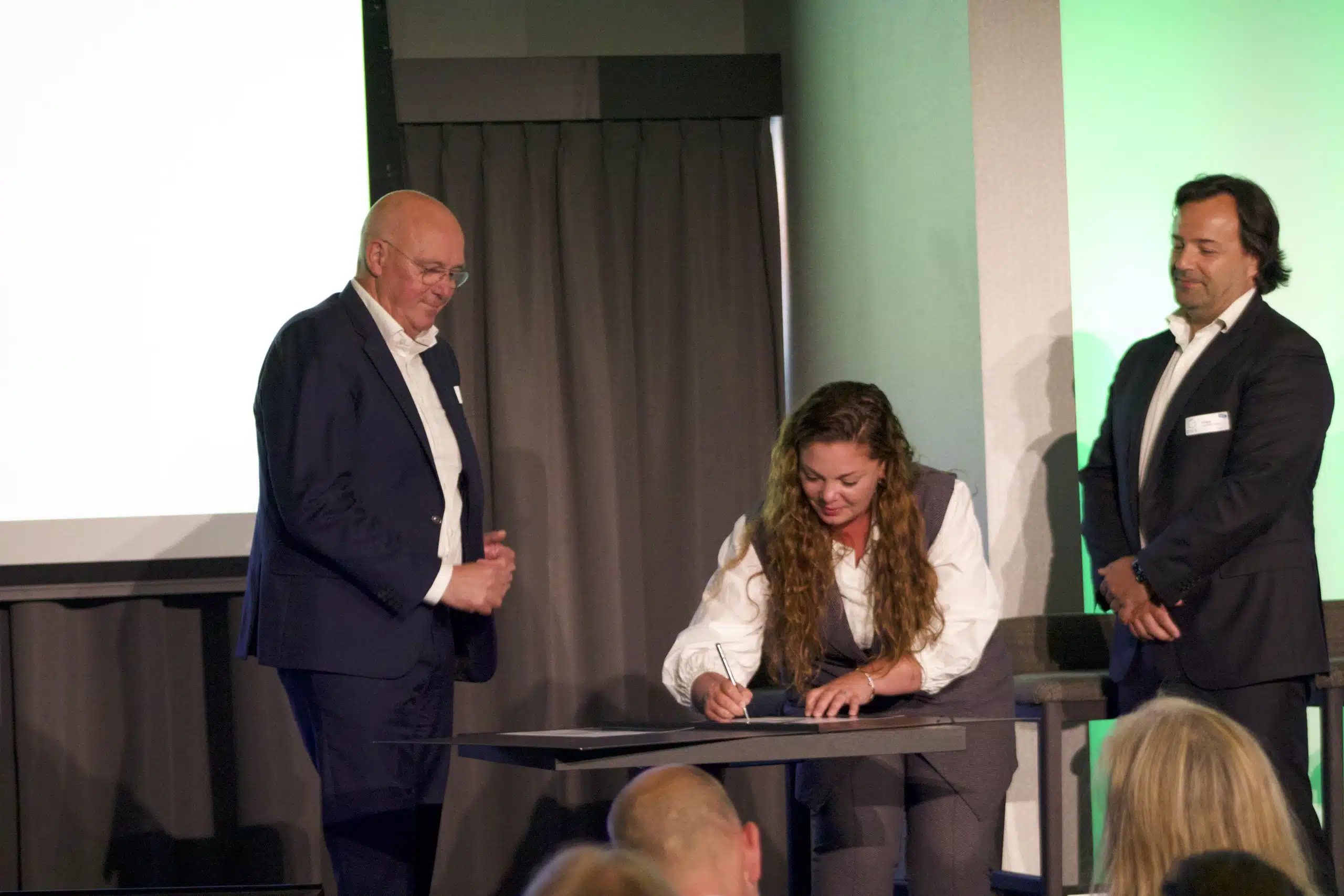
Zevij Necomij the green giant: Leading the change in sustainable wholesale construction!
News
Zevij Necomij the green giant: Leading the change in sustainable wholesale construction!
Date: September 18, 2023
In the competitive landscape of wholesale construction, Zevij Necomij is emerging as a frontrunner in sustainability. “Our mission is to unite wholesalers in Holland and Belgium, digitise data for 200 corporate enterprise wholesalers, and support B2B members in the construction sector on their sustainability journey.
Motivated by our influential position in the industry, we aim to lower costs and promote sustainability throughout the sector. We’ve transformed into a digital service company, digitising product catalogues and invoices to enhance accessibility and sustainability.” said Marc de Dobbelaere, CEO of Zevij Necomij. Their collaboration with 550 suppliers (covering 3 million products) underscores their commitment to taking responsibility for sustainability. This shift in perspective was ignited by an inspiring encounter with Kelly, the CEO of GSES (Global Sustainable Enterprise System), revealing a promising pathway in the sustainability sector.
At the core of Zevij Necomij’s sustainability drive is a profound motivation. With a strong presence encompassing 260 wholesalers and catering to over 3,000 clients, they recognise their pivotal position within the supply chain. Leveraging this influence, the company is determined to not only optimise costs but also elevate sustainability standards throughout the sector. Their dedication transcends profit margins, with a clear emphasis on delivering environmental and societal benefits.
Zevij Necomij embarked on their digital transformation in 2006 with the digitization of product catalogues. This strategic move aimed to enhance information accessibility and streamline classification. In 2007, the company embraced paperless invoicing, introducing a platform dedicated to digitising invoices. In a pivotal development in 2013, Zevij Necomij seamlessly integrated these channels, empowering customers to access essential sustainability details. This holistic approach not only benefits suppliers and members but also fosters healthy competition among suppliers. Additionally, it empowers end-users, including government entities, to make informed choices.
All digitalisation solutions and efforts that Zevij Necomij is doing over these years are also benefiting their ecosystem: the wholesalers, partners, suppliers, and overarching stakeholders as well. So Zevij is not only making a huge impact in their stakeholder chain, it is also the maybe unexpected Green Giant that everyone should know about.
Zevij Necomij’s collaboration with GSES is grounded in the digital transformation of both product and organisational levels. GSES offers a robust framework for assessing sustainability pillars, perfectly aligning with Zevij’s mission and ensuring a comprehensive evaluation of their sustainability efforts.
Zevij Necomij relies on GSES standards and platforms to meticulously measure sustainability across their extensive network of suppliers, products, and brands. This partnership extends beyond borders, connecting with Eurocraft in Germany, Austria, Spain, and Britain. With 550 suppliers and 260 wholesalers united under the banner of sustainability, the momentum for change in the construction sector is rapidly accelerating. Marc de Dobbelaere describes: “Our collaboration with GSES is driven by their expertise in digitisation and sustainability, aligning with our objectives. With GSES, we measure sustainability across suppliers, products, and organisations, fostering a connected and sustainable sector. Our commitment to sustainability extends to eco-friendly practices like electric and solar energy, reducing plastic, and more. Sustainability awareness is growing within our company, and more employees are becoming conscious of our efforts with GSES.”
The Zevij Necomij and GSES partnership is enabling the measurement and verification of millions of building products in Europe, besides the brand and supplier measurements. This has never been done in history on such a scale. Although Zevij Necomij is taking significant strides towards a cleaner future. The company invests in sustainable energy sources, including electric and solar power, and actively collaborates with suppliers to reduce plastic packaging. Zevij Necomij is championing eco-friendly practices that align with their vision of a more sustainable world.
While presently, only two dedicated employees focus on sustainability, the company anticipates that, as their sustainability initiatives evolve, awareness among their workforce will grow significantly. The collaboration with GSES is poised to become an integral part of the company’s corporate culture, aligning values and actions towards a more sustainable world.
Zevij Necomij’s commitment to sustainability extends beyond corporate goals; it embodies a shared vision for a brighter future. They firmly believe that responsible choices made today will pave the way for a greener and cleaner tomorrow. Through their partnership with GSES, Zevij Necomij is leading the charge in driving sustainability across the construction industry, setting an inspiring example for others to follow.
Share this post
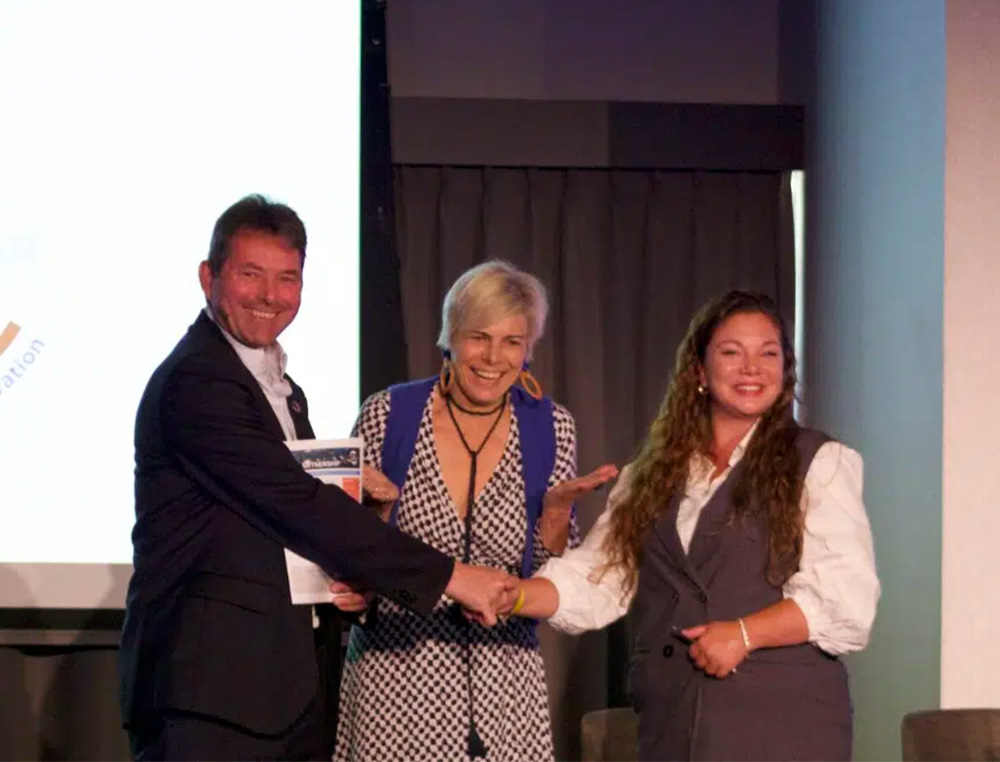
Presence of princess Laurentien van Oranje-Nassau at the sustainability event 2023
News
Presence of princess Laurentien van Oranje-Nassau at the sustainability event 2023
We are honored to have Laurentien van Oranje-Nassau join us at our Sustainability Event! She is the co-founder and director of number 5 foundation. Her dedication to environmental causes and passion for creating a greener future truly makes her a role model for all of us.
She was activating the crowd as our amazing special guest! She woke people up by explaining the power of seeing the world and society in different perspectives and gave a memorable speech we will never forget.
Thank you so much for your presence and lighting up the event even more.
Share this post